The M2 Lab at Stony Brook focuses on innovating next-generation modeling and computational tools for mobility and logistics systems, with an emphasis on connectivity, electrification, and automation. Our core research directions include, but are not limited to:

Data-driven Modeling and Optimization of Transportation Networks
By 2035, nearly half of all new vehicles in the United States will be connected, generating unprecedented volumes of mobility data. We are developing an inverse learning framework that leverages advances in crowdsourced mobility data to transform the foundational paradigm of transportation network equilibrium modeling — a pillar of transportation system planning and management for over seventy years.

Economic Modeling and Regulation in Multimodal Transportation and the Sharing Economy
Ridesourcing vehicles generate nearly three times the vehicle miles traveled compared to private vehicles and are destined to be the next special fleet for electrification. However, high purchase costs and limited access to fast charging remain major barriers. This direction develops a novel aggregate equilibrium model for the electrified ridesourcing system and designs innovative regulatory policies and differential matching mechanisms to accelerate electrification.
Learning, Adaptation, and Policy Design in Human–Autonomous Vehicle Interactions
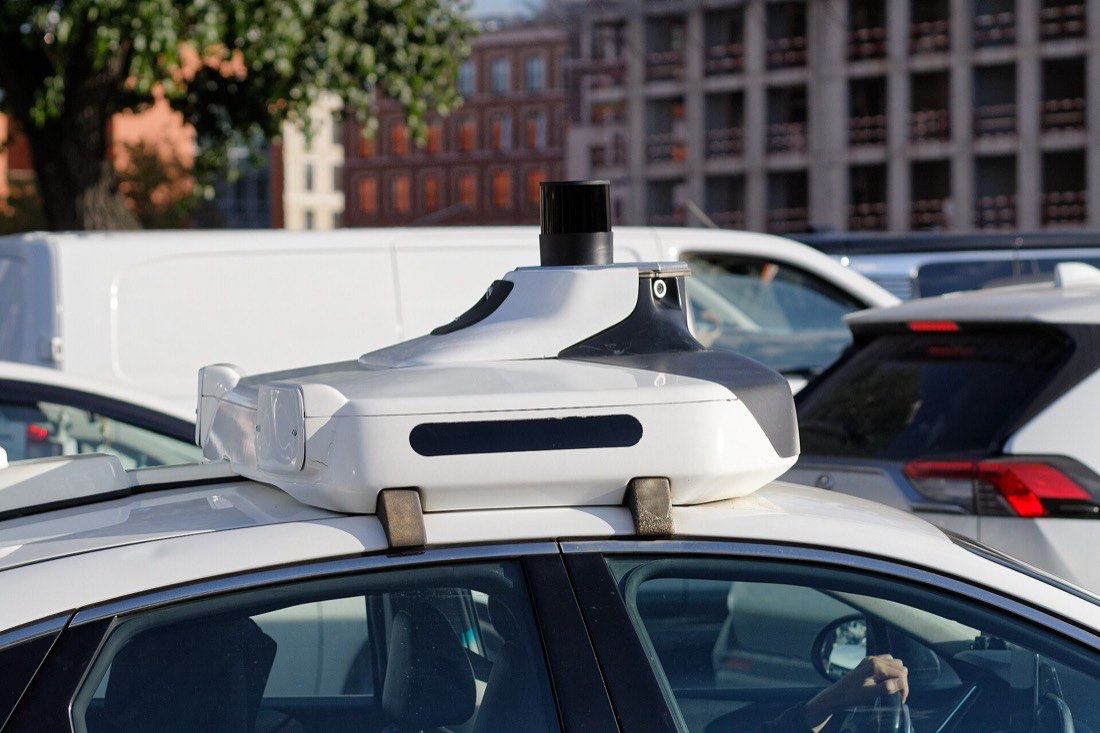
By 2045, half of all new vehicles sold in the U.S. are expected to be autonomous. As humans and AVs increasingly share the road, complex interaction dynamics will emerge. While some believe AVs will enhance safety, others raise concerns that their strict adherence to traffic laws may provoke aggressive behaviors — for instance, pedestrians intentionally running red lights — potentially destabilizing traffic flow. This research seeks to model and inform the co-adaptation of humans and autonomous systems, supporting policymakers in designing behavioral and regulatory strategies that improve safety, reduce congestion and emissions, and facilitate broader AV adoption.